AI to Production
Turn a fragile prototype, vibe-coded MVP, or unstable AI workflow into something your team can ship and trust in production.
Production AI Engineering
Most AI initiatives look good in a demo. We help product teams and engineering leaders build the ones that hold up in production.
From early MVPs to enterprise platforms — across healthtech, fintech, climate tech, and consumer products.





AI thesis
Strong AI products do not start with model selection. They start with the right use case, a workflow built around real constraints, and clear thinking about what happens when the model gets it wrong.
That is where we come in. We help teams shape the workflow, define the safeguards, and build the surrounding product and engineering work that makes AI useful in production.
Where does AI remove friction or improve a decision — and where does it add complexity you do not need?
What should the AI handle, what should stay with a person, and what happens when confidence is low?
Does it work with real inputs, real edge cases, and real users — not just in a controlled demo?
Monitoring, fallbacks, QA, and integration so the system holds up after launch, not just before it.
What we build
From rescuing fragile prototypes to building agents and embedded AI features, we help teams design, build, and ship AI that works under real-world conditions.
Turn a fragile prototype, vibe-coded MVP, or unstable AI workflow into something your team can ship and trust in production.
Design grounded retrieval experiences over your documentation and data so answers are more accurate, useful, and trustworthy.
Add copilots, recommendations, semantic search, summarization, and other embedded AI features to real product experiences.
Deploy customer support, internal knowledge, and qualification agents that work across your existing systems and workflows.
Add AI-focused engineering capacity to your roadmap when your team needs help building, integrating, or hardening AI systems.
Build multi-step agents connected to your systems for support, sales, operations, and internal workflows that need to do real work.
Workflow examples
What AI actually looks like when it’s built into products and operations with a specific job to do — and engineered to do it reliably.
AI agents we’ve built
WhatsApp · RAG + MCPs
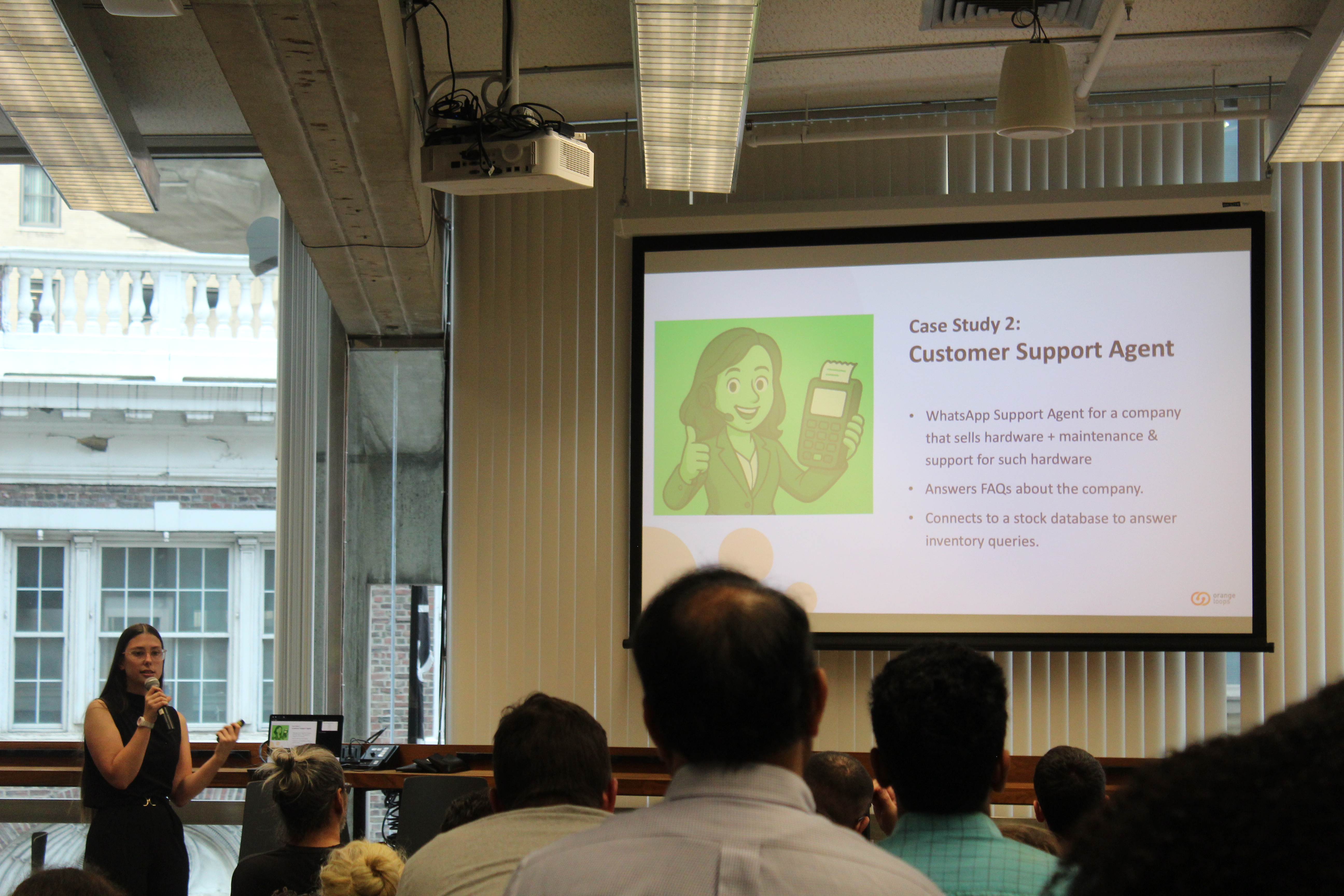
Built for a retail POS hardware company. The agent retrieves technical answers from manuals and maintenance documentation inside WhatsApp, routes complex cases to human support, and helps reduce tier-1 support volume.
Slack · HR knowledge
Built for internal HR operations. The agent answers policy and benefits questions, supports common employee requests, executes actions across HR workflows, and helps reduce manual back-and-forth for the People team.
Slack · Sales ops & revenue analytics
Built for internal sales operations. The agent supports project estimation, proposal preparation, CRM workflows, and opportunity tracking, helping the team move faster on active deals and commercial follow-up.
Web · Lead qualification
Built for inbound lead qualification. The agent engages new prospects, asks follow-up questions, qualifies fit, and helps route serious opportunities into the sales process faster.
Products built with AI at the core
Mobile · Computer Vision
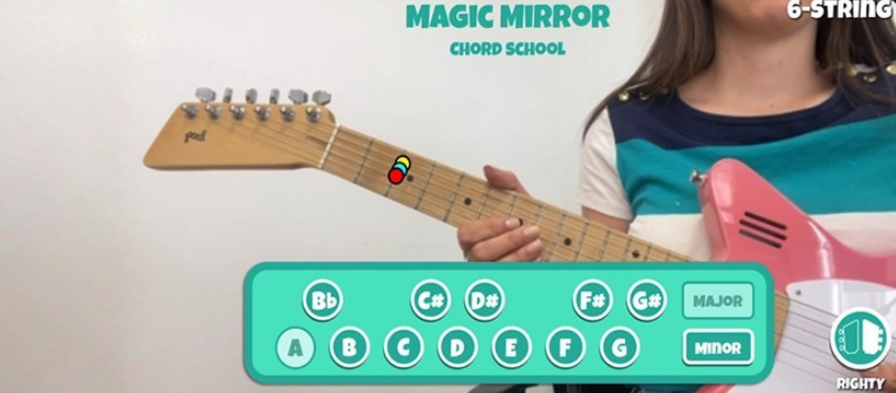
Loog came to us with a vision for interactive guitar learning. We built the computer vision system that detects the guitar neck in a live camera feed and uses augmented reality to render finger-position guidance in real time as players switch chords.
Mobile · Computer Vision
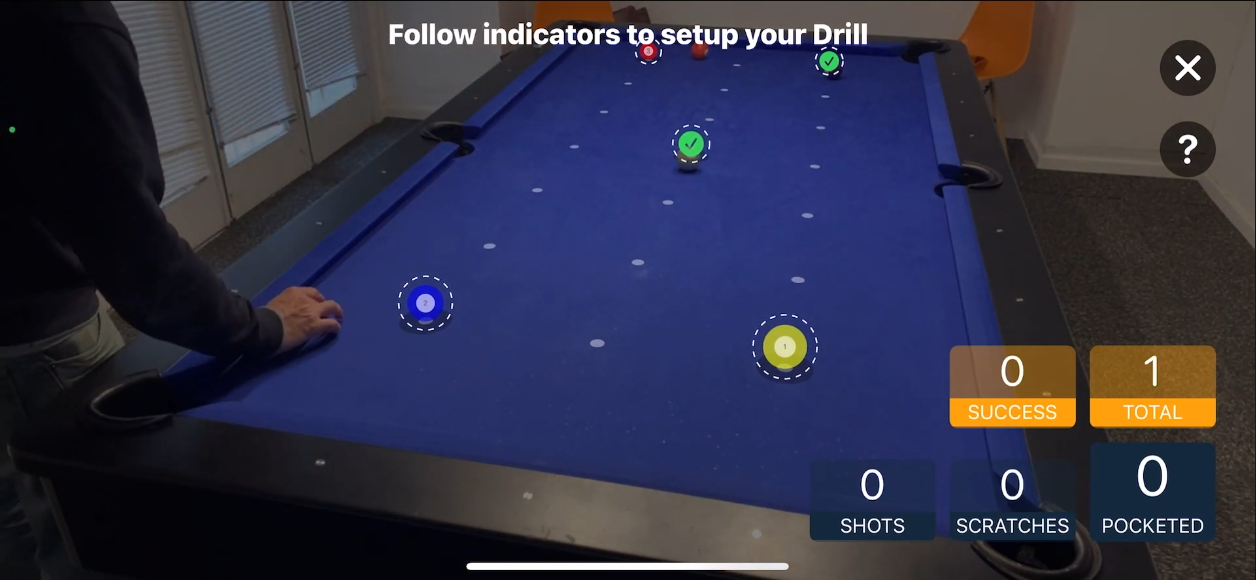
DrillRoom is one of OrangeLoops’ own products, built to show what happens when computer vision and on-device ML are treated as core product capabilities from day one. It turns iPhone and iPad cameras into a real-time cue sports analysis system that tracks shot performance, maps ball paths, and powers in-app coaching workflows.
AI to production
Many AI systems look promising in a demo and start breaking under real use. The issue usually is not the model alone. It is the missing work around it: evaluation, monitoring, fallback logic, UX, and integration. That is the gap we help close.
We define quality criteria, build test cases, and make output quality visible before issues reach users.
Better prompts, retrieval, and context handling so the system performs more reliably under real-world conditions.
We design when the system should defer, when a person should step in, and how uncertainty should be communicated.
Visibility into failures, latency, cost, and quality drift before small issues turn into production incidents.
We connect the AI layer to the tools, permissions, and workflows it depends on to work in practice.
A clearer, more trustworthy experience that people can use day to day without confusion.
Not sure where your AI system is fragile?
We audit your AI system end-to-end: evaluation gaps, prompt fragility, integration risk, monitoring blind spots, and UX problems — and deliver a prioritized remediation plan.
Why OrangeLoops
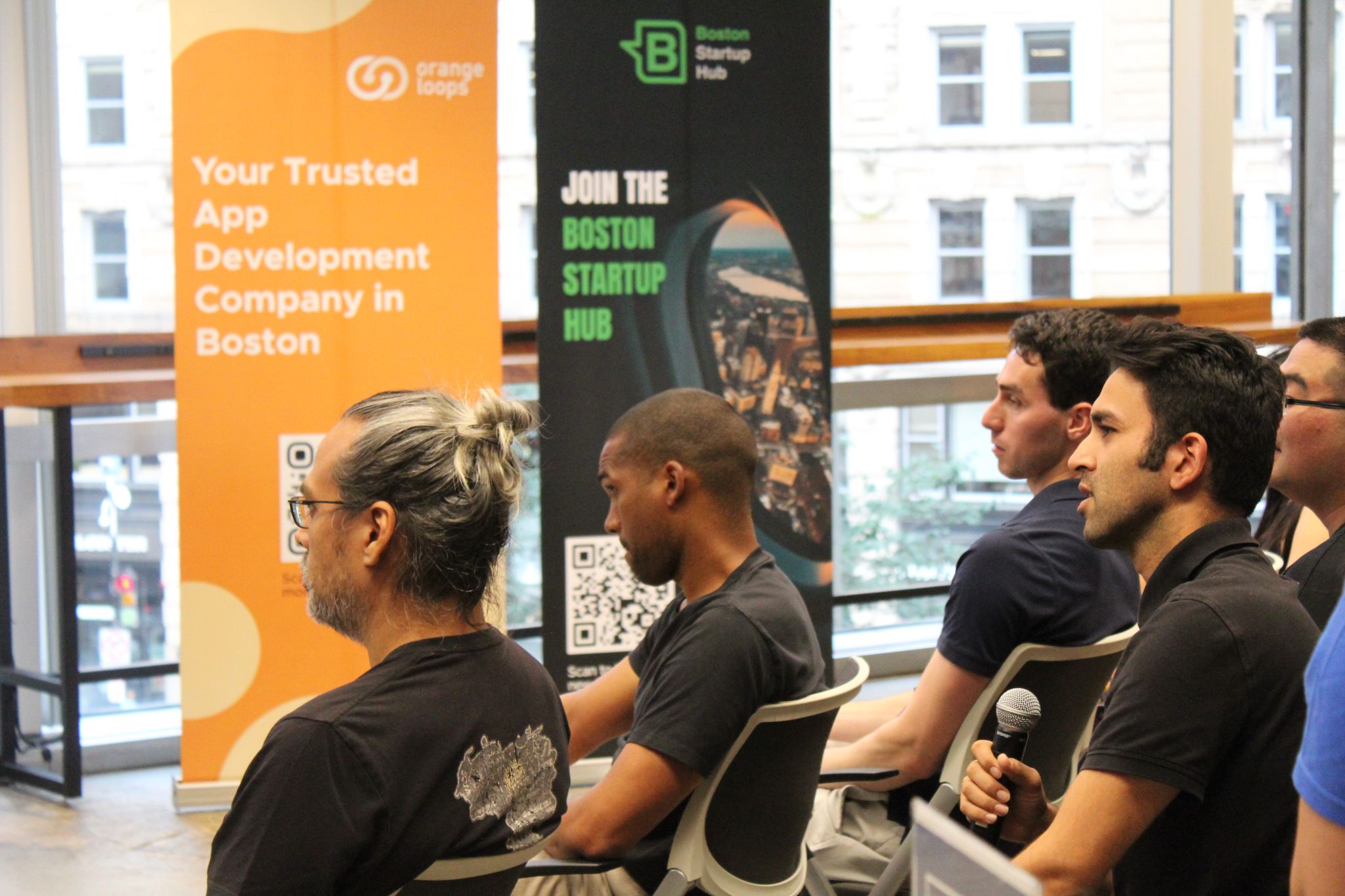
OrangeLoops helps teams build AI that holds up in real products and operations. Since 2019, we’ve been doing that work in production, building pattern recognition around what breaks, what scales, and where the engineering around the model matters as much as the model itself. We also share and refine that perspective through workshops, talks, and conversations with the local product and engineering community.
We help teams decide where AI belongs, build it with the right level of rigor, and do the surrounding product and engineering work that makes it reliable in the real world.


Rafael Atijas
Founder & CEO
 5.0
5.0
"What made them such a strong partner was their mix of technical and business savvy. They had a pretty integrated idea of the product that they'd created versus the commercial implications and opportunities open because of that new technology."

Brendan Quinlivan
Technical Product Manager 5.0
5.0
"Compared to any contractor Verve employees have ever worked with, OrangeLoops has been extremely independent, effective, and fast."

Tom Pincince
Co-founder 5.0
5.0
"It really came down to their quality and thoroughness throughout all of their work. If you develop products that are highly specified and enjoy a structured and fast-paced development environment, they're definitely the right partner for you."

Jeff Arnold
Managing Director 5.0
5.0
"The app will be quite different than anything on the market and in an industry that they were not familiar with. That said, OrangeLoops understood the industry very quickly and did their own research to learn more. That is a differentiating factor between them and other vendors in this space."
FAQ
We build AI product features, agents, RAG and knowledge systems, workflow automation, and the engineering work required to make them usable in production.
Yes. We can embed with your team, own a defined workstream, or help close the product, design, QA, or engineering gaps blocking delivery.
Yes. That is one of the most common starting points. We help teams improve reliability, UX, integration, evaluation, and production readiness.
No. We also build AI product features, copilots, knowledge systems, and workflow automation where AI supports a larger product or operational job.
Most engagements start with a 30-minute discovery call. From there, we define a first milestone — usually a scoped sprint, assessment, or build phase. We work on a time-and-materials basis, so the best way to get a realistic number is to bring us the use case.
We focus on evaluation, grounding, edge cases, monitoring, fallback behavior, human oversight, and UX clarity so the system behaves reliably in production.
We work across the major providers, including OpenAI, Anthropic, Google, Meta, Mistral, and xAI. We choose based on the use case, cost, latency, data requirements, and the behavior the workflow needs.
Book a 30-minute discovery call. Bring the use case, the prototype, or the operational problem, and we will help define the right first step.
Next step
Bring us the use case, the prototype, or the operational problem. We’ll help define what should be built and what it takes to make it reliable.